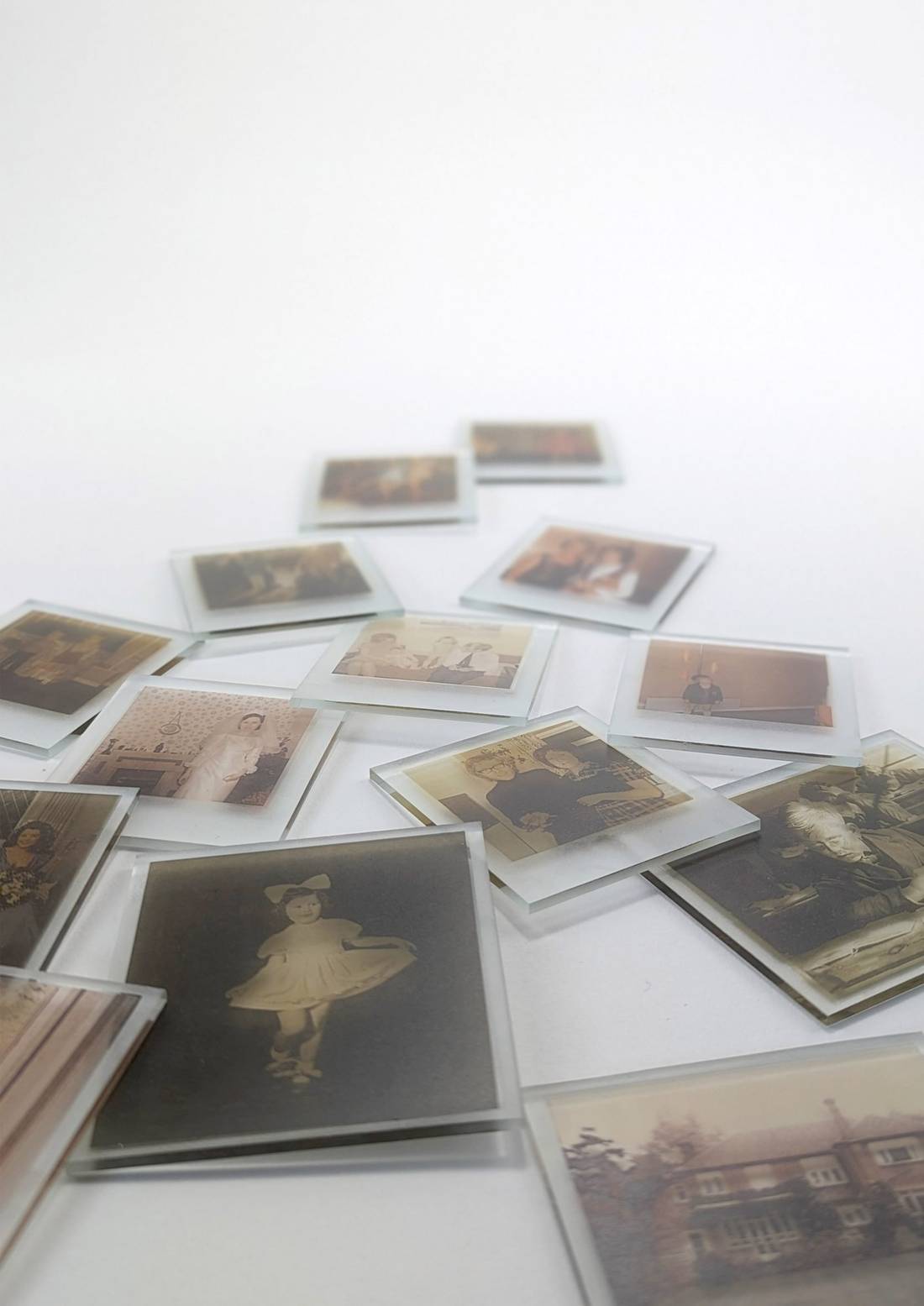
Stories outlive photos—not just emotionally, but scientifically. In a world where we take thousands of pictures and rarely look back at most of them, the memories that actually stay with us are the ones wrapped in a story: the way your grandfather’s voice changes when he talks about his first job, or how your mom pauses before describing the day she left her hometown.
Here’s why our brains are wired to remember stories more than images, and how Adoras turns that science into a simple way to protect your family memories for the long term.
Why our brains remember stories more than photos
Stories light up more of the brain
When you listen to a story, your brain doesn’t just process words—it activates regions for emotion, movement, and sensory experience, especially the hippocampus and prefrontal cortex that help store long‑term, emotionally rich memories. A single photo mostly taps your visual system; a story built around that photo turns it into something your brain treats like a lived moment, not just a snapshot.
Emotions make memories “stickier”
Research shows that emotional narratives trigger powerful chemicals like oxytocin and dopamine, which help our brains lock in important experiences. When Grandma tells the story behind a wedding picture—the nerves, the bad weather, the unexpected joke—it’s that emotional arc, not the image alone, that your brain holds onto.
Context turns fragments into a bigger picture
Photos are moments; stories are maps. Cognitive psychology finds that memories become easier to recall when they’re tied to context—people, places, and cause‑and‑effect connections. A graduation photo becomes far more meaningful when it’s linked to the years of sacrifice that led there, the country someone left, and the dream they were chasing.
Stories build identity and belonging
Intergenerational storytelling helps younger people answer “Who am I?” by showing them “Who we are.” Studies link knowing more family stories to higher emotional well‑being and stronger identity. That’s why hearing about an ancestor’s struggles or victories often feels more grounding than scrolling through old albums.
Retelling keeps memories alive
Photos often sit in silent galleries; stories get retold. Each time a family story is shared, the underlying memory pathways strengthen, helping it last longer than a passive visual you rarely revisit. Storytelling is like hitting “save” on your family’s emotional hard drive—again and again.
How Adoras turns photos into living stories
Most apps stop at storing photos. Adoras is built around what actually makes memories last: voices, context, and narrative.
From images to stories
Instead of leaving a 1973 photo on your camera roll, Adoras lets you attach a voice note of your grandfather telling what really happened that day, plus names, places, and dates that future generations can understand.
Voice first, photo supported
You can quickly record elders in their own words and then connect those audio clips to photos or artifacts, creating multi‑layered “story moments” your family can replay, not just reshare.
Organized like a life, not a folder
Memories are grouped into timelines and “chapters” that feel like a storybook: childhood, migration, first jobs, big moves, quiet milestones. This mirrors how the brain naturally stitches events into narratives.
Why this matters for Gen Z (and everyone after)
Younger generations already live in a world of stories—TikToks, podcasts, vlogs. The difference is that most of those vanish into the feed. Family stories are the rare kind that get more valuable with time.
Adoras helps Gen Z (and anyone else) to:
Move from “I should record that someday” to “I captured it in 30 seconds.”
Turn grandparents’ memories into reusable, shareable story snippets.
Build a private, family‑only space where stories are organized, safe, and searchable.
Start with one story, not your whole family tree
You don’t need to know your ancestry back ten generations. Try this:
Ask one question:
“Can you tell me about the day this photo was taken?”
Record the answer in Adoras.
Attach the photo, add a name, date, and place.
You’ve just turned a static image into a living memory your kids and grandkids can actually experience later.
Because in the end, photos show that a moment happened—but stories let your family feel it again.