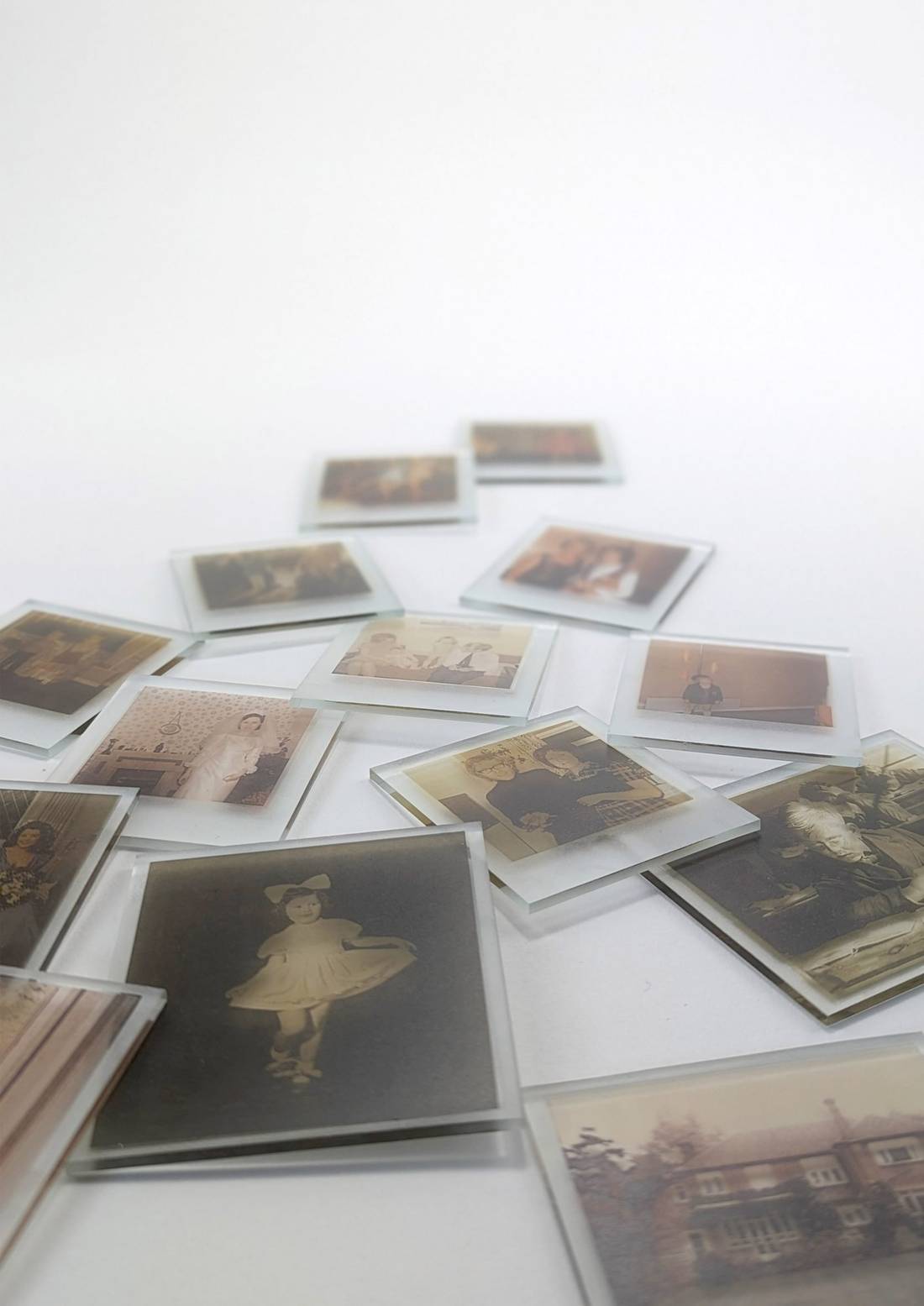
Imagine the Wongs, who immigrated from Hong Kong to Vancouver in the 1970s. Over five decades, they filled boxes and cloud folders with memories — film prints, scanned albums, phone screenshots, and WhatsApp forwards. When their children finally tried to sort it all, the task felt endless.
If you’ve ever stared at heaps of unsorted pictures and thought, “I’ll get to this someday,” you’re not alone. The emotional weight of organizing family photos is real. Yet new AI photo tagging and digital family archive tools make that “someday” possible today.
The Overwhelming Task of Family Photos
Photos are more than pixels — they’re proof of who we’ve been. Over decades, camera upgrades and new apps created chaos: scanned albums without labels, folders named “MISC,” and selfies mixed in with baby pictures.
The hardest part? Context. Without names, dates, or stories, even the sharpest 4K image can feel hollow. That’s exactly where Adoras shines as an AI‑powered archiving tool built for real families, not just files.
How Adoras Simplifies the Chaos
Modern AI inside Adoras helps families turn scattered images into something organized and meaningful:
Auto‑tag people and places with confidence
Adoras identifies faces or landmarks and ranks each guess with confidence indicators (like “92% Grandma, 88% Toronto”). With one tap, families can confirm or fix tags, and Adoras keeps learning who matters most in your archive.Pull hidden details from your photos
Adoras extracts available metadata to find time, date, and location. Even when that’s missing, visual cues — like clothing, backgrounds, and seasons — help the system estimate the decade or event, so old images finally land where they belong.Create story context automatically
Using computer vision and language analysis, Adoras groups images that belong to the same event — from your parents’ wedding to your first birthday trip — so related memories live together instead of being lost across random folders.Build a visual timeline for your family
Once things are sorted and tagged, Adoras lays your photos out in a visual, scrollable timeline that spans generations. In minutes, you go from “decades of chaos” to a living digital museum your whole family can revisit.
Where Adoras Meets Real Conversation
Technology can sort, but it’s voice and memory that add soul. This is where Adoras goes beyond simple tagging and turns into a space for real conversations.
After Adoras auto‑organizes your photos, you (or a “teller” in the family) can open a memory chat connected to a specific image or moment. Adoras offers guided prompts that ask questions like:
“Who took this photo?”
“What was going on that day?”
“What were you feeling when this was taken?”
Parents or grandparents can record short voice notes right inside Adoras. The app then transcribes, summarizes, and links those notes directly to the photo or event thread. A still image of your dad in front of a 1980s Honda Civic becomes a story about his first car after arriving in a new country, the job that paid for it, and the mix of fear and pride he felt at the time.
Editing Memories: Turning Fragments into Full Stories
Adoras doesn’t just organize; it helps families refine and deepen their stories collaboratively through its edit memories features.
User input to correct or add context
If Adoras mistakes an aunt for your mom, you can instantly fix it and add details like, “This was Auntie May before she moved to Toronto.” Over time, these small edits make your archive more accurate and intimate.Layered storytelling from multiple relatives
Different family members can add their own perspectives to the same memory. One person might remember the year, another remembers the song playing, and someone else remembers what happened right after. Adoras weaves these inputs into a richer, multi‑voice record.Emotionally aware summaries
As you add voice notes and text, Adoras can pick up on tone and sentiment, helping highlight emotional arcs — loss, triumph, humor, resilience — within your archive. A birthday photo becomes a story about rebuilding after a difficult year; a simple dinner shot becomes the last meal before someone moved abroad.
This blend of Adoras’ machine organization and your human memory turns a simple photo index into what is essentially a living narrative.
The Emotional Ripple Effect
Families who digitize and organize with Adoras often rediscover forgotten bonds. Photos spark conversations, conversations uncover stories, and those stories redefine what belonging feels like.
For second‑generation kids, especially in immigrant families, hearing the “why” behind past struggles — why parents were strict, why they worked multiple jobs, why they left home — deepens empathy and self‑understanding. By making these talks as easy as swiping through pictures, Adoras helps families not only organize family photos, but also rediscover their shared identity.
Start Small—And Let the Stories Grow
If you’ve got unsorted photo piles or cloud chaos, you don’t need to fix everything at once. With Adoras, you can:
Upload a few pictures into the app.
Let Adoras tag, sort, and place them on your family timeline.
Invite a parent or elder to tell their version of one story tied to a specific photo.
Bit by bit, your digital family archive inside Adoras expands — rich with voices, laughs, and memories that no algorithm could invent on its own, only help you preserve.
Why It Matters
Adoras may be powered by AI, but it’s not just about speed or efficiency. It’s about depth. The technology gives you structure; your family gives it meaning.
Families everywhere are realizing that their past isn’t just history — it’s a living dataset of love, struggle, and growth waiting to be re‑lived, retold, and re‑loved. And with Adoras, the stories behind 50 years of photo albums don’t have to fade into boxes or forgotten backups—they can live, speak, and evolve with every generation that adds its own piece.