Most of us say family comes first
—but how much do we really know about the lives that came before us?
Why These Questions Matter
Research suggests that many people can’t name all four of their great‑grandparents, and yet children who know their family stories tend to be more resilient and confident. At the same time, elders’ voices, accents, and languages are quietly disappearing as loved ones pass away without their stories ever being recorded.
This is exactly why Adoras exists: to make it simple and natural to ask better questions, hear real stories, and save those memories—voices, photos, and messages—in one safe place your family can return to.
Below are 20 essential questions to ask your parents and grandparents. You can ask them in person, over the phone, or let Adoras deliver them as gentle prompts every few days.
Use one question to start. That’s all it takes.
What Is Adoras?
Adoras is a simple family storytelling app that helps you:
Receive thoughtful memory prompts every 2 days
Invite parents and grandparents to answer with text, photos, or voice notes
Build a private, shared archive of stories your family can keep forever
Instead of “How are you?” texts that go nowhere, Adoras gives your family a real reason to talk—and a way to save what’s said.
Why These Questions Matter
These questions are more than conversation starters. They help you:
Preserve family history before it’s lost
Strengthen relationships across generations
Give kids a deeper sense of identity and belonging
Think of each answer as a tiny time capsule: a piece of your family’s story that didn’t exist in any permanent way until you asked.
Section 1: Childhood & Identity
Start here if you want to understand who your parents and grandparents were long before you came along.
“What’s your earliest memory—and why do you think it stayed with you?”
Follow-up: “What did it smell like? What sounds do you remember?”“What was your childhood home like? Can you describe your bedroom?”
“What was your favorite thing to do after school when you were a kid?”
“Who were your closest friends growing up, and what did you love doing together?”
“What’s one tradition from your youth that you wish we still practiced today?”
Adoras tip: Save these stories as voice notes. Hearing a loved one’s laugh or pause is often more powerful than text alone.
Section 2: Love, Family & Relationships
These questions capture the heart of your family: how relationships started, grew, and changed.
“How did you and your partner meet? What was your first impression?”
“What do you remember about the day I was born—or when you first heard about me?”
“What’s the kindest thing someone in our family has ever done for you?”
“Which relationship in your life changed you the most, and how?”
“What does ‘family’ mean to you now, compared with when you were younger?”
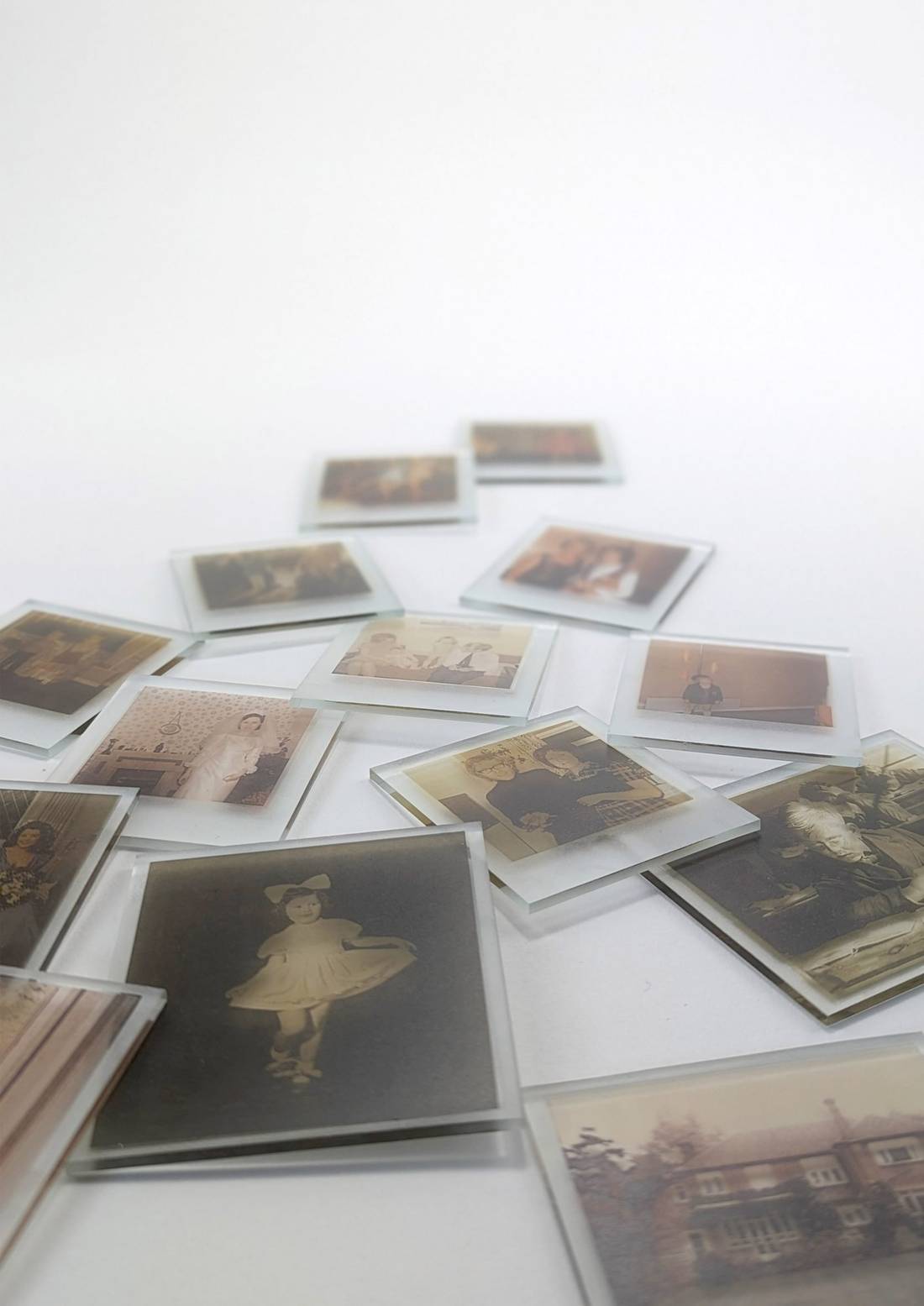
Adoras tip: Add photos—wedding pictures, baby photos, old family gatherings—to the same thread as these answers so future generations can see the faces behind the stories.
Section 3: History & Everyday Life
Your parents and grandparents have lived through entire eras you’ve only heard about. These questions help you capture that living history.
“Where were you when a major event happened, and how did it affect daily life?”
“What ‘ordinary’ thing from your youth would completely amaze kids today?”
“What job, chore, or routine did you have that doesn’t exist anymore?”
“How was school or work different when you were my age?”
“What are you glad has changed since you were young—and what do you miss?”
Adoras tip: Tag stories with dates and locations inside your family timeline so it’s easy to see how history and family life connect.
Section 4: Wisdom, Regrets & Hopes
These are the questions that turn experience into something your whole family can learn from.
“What’s something you believed at 20 that you don’t believe anymore?”
“If you could give your younger self one piece of advice, what would it be?”
“What’s a risk you took that you’re grateful for?”
“Is there anything you wish you had done differently in life?”
“What do you hope our family remembers about you 50 years from now?”
Adoras tip: Pin these “wisdom” stories to a dedicated section of your timeline so they’re easy to find later—especially for younger family members.
How To Make These Conversations Feel Natural
You don’t need a formal interview. In fact, the best stories usually appear in everyday moments.
A few simple ways to start:
Ask just one question during a normal call or visit
Use a question as a text message opener instead of “How’s your day?”
Let Adoras send the prompt for you at 8am, so everyone sees it at the same time
When they start talking, gentle follow‑ups like “Tell me more about that” or “What happened next?” can unlock details you’d never expect.
How Adoras Helps You Save Every Story
Asking the question is step one. Making sure the answer isn’t lost is step two.
With Adoras, you can:
Record and store voice notes directly in your family timeline
Keep photos, messages, and stories together in one private space
Invite multiple family members to add their own perspectives
Receive regular prompts so the habit of sharing stories never fades
Your family’s stories are more fragile than they seem—but capturing even one today can make a huge difference tomorrow.
If you’re ready to start, choose one question from this list and ask it this week. When the answer comes, open Adoras and save it. That’s how a family archive begins: one story at a time.