When a family crosses a border, they don’t just carry suitcases.
They carry recipes, accents, jokes, lullabies, and stories that aren’t written down anywhere.
Think of a family like the Lópezes, who moved from Mexico to Canada. They brought photo albums, their grandmother’s rebozo, and handwritten recipes. But a generation later, their kids understand more English than Spanish. Jokes don’t land the same. The story behind that shawl gets fuzzy.
If you grew up in an immigrant family, this might feel familiar. Heritage doesn’t disappear overnight; it fades in tiny pieces. A word forgotten here, a story never told there.
This is the heart of what Adoras is built for: helping families—especially immigrant families—hold onto the voices, memories, and traditions that are hardest to keep across distance and time.
Why Preserving Immigrant Family Stories Is So Hard
Immigrant families face unique challenges:
Heritage languages are often lost within one or two generations.
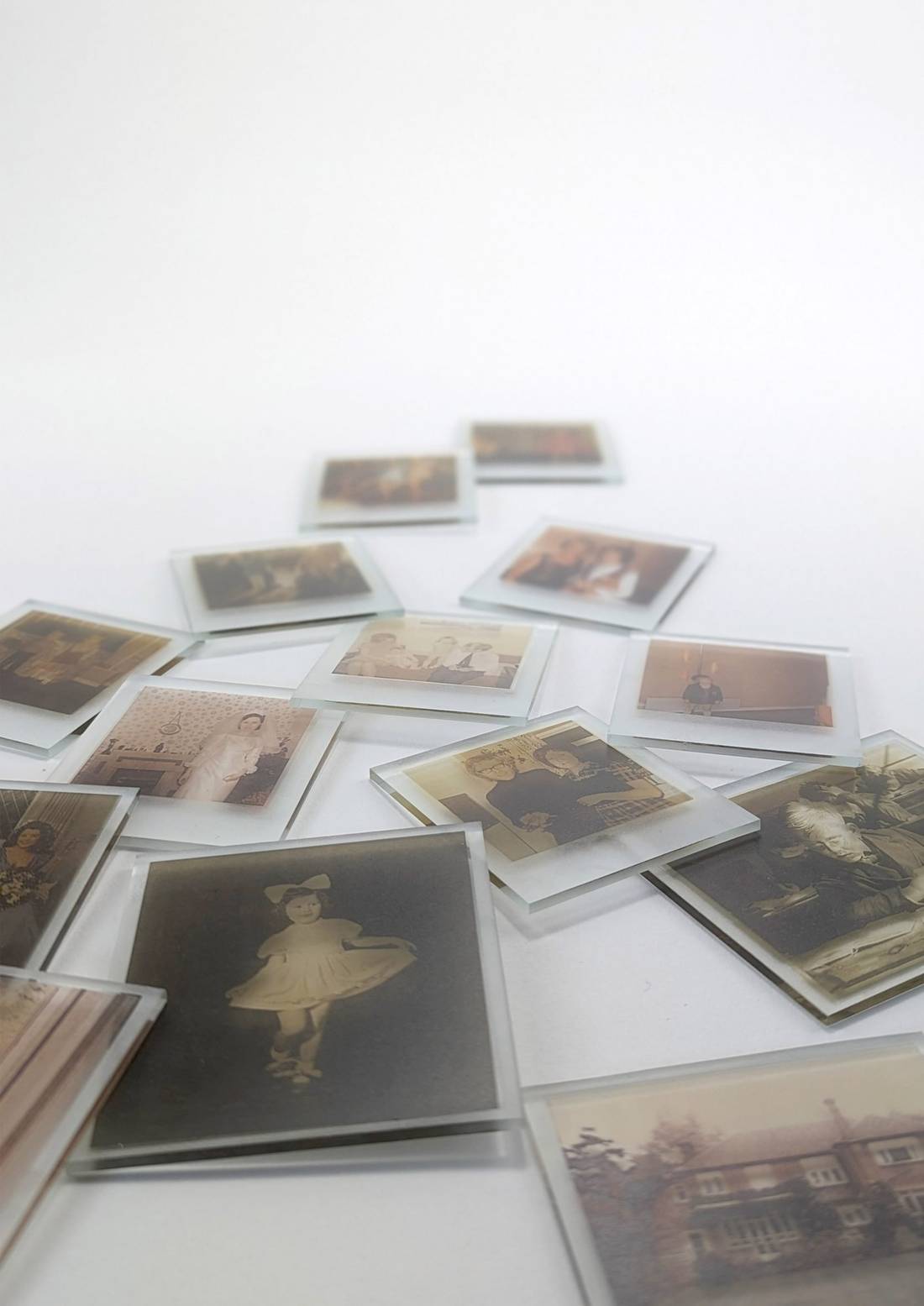
Important documents and photos can be left behind, damaged, or scattered across apps and continents.
Kids may feel pressure to “fit in,” which can make old traditions feel embarrassing instead of special.
The good news is that small, intentional steps can make a huge difference. Let’s break this down.
The Language Barrier: When Stories Get “Locked” Away
For many immigrant families, language is the first thing to slip. Second‑generation kids often become stronger in the new country’s language, and slowly lose confidence in their heritage language.
What happens then?
Grandparents share stories in their native tongue that younger family members only half‑understand.
Voice notes in WhatsApp or old voicemails become “locked memories” no one can fully translate later.
How to protect your family language and stories:
Record voices in the original language
Use Adoras to capture voice memos from elders—let them speak the way they’re most comfortable. The emotion lives in the original language.
Add simple translations
Younger family members can add translations or summaries so everyone can follow along, even if they don’t speak the language fluently.
At home, try small rituals like “heritage language nights” at dinner—maybe it’s “Vietnamese Thursdays” or “Spanish Sundays.” It doesn’t need to be perfect; it just needs to be consistent.
Scattered Photos And Documents: The Fragmented Family Archive
Many immigrant families had to move quickly or unexpectedly. That can mean:
Birth certificates, land papers, or old photos were left behind or never digitized.
Family history lives across random WhatsApp chats, email threads, and unorganized camera rolls.
It’s easy to tell yourself, “I’ll organize this someday.” But “someday” rarely comes.
Small steps to rebuild your family archive:
Digitize with context
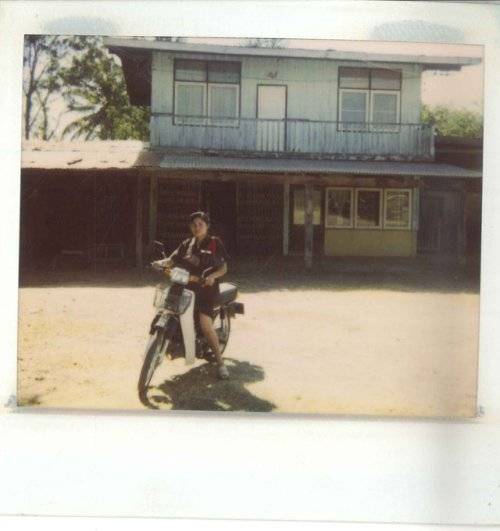
Don’t just scan photos—add the story. In Adoras, you can upload a photo and tag: Who is this? Where are they? What was happening?
Make it collaborative
Invite relatives in different countries to contribute. An aunt in another city might be the only person who can identify everyone in that wedding photo.
Think of it as building a small “family museum” that anyone in your family can visit from their phone.
When Kids Pull Away From “Old-World” Traditions
If you grew up in an immigrant family, you may remember moments of feeling “too different”—lunches that smelled different, clothes that looked different, holidays no one at school recognized.
Kids and teens might:
Resist wearing traditional clothing
Roll their eyes at long ceremonies or rituals
Treat cultural holidays as photo ops rather than meaningful traditions
Instead of forcing traditions, tie them to stories.
Examples:
“Let’s bake abuela’s pan de muerto while she tells us about the first time she made it with her brother.”
“While we make dumplings, can you tell us about New Year’s when you were a kid?”
In Adoras, you can connect these moments: the recipe, the photo of the dish, and the voice note of the story—all in one thread.
The “Double Identity” Struggle
Many children of immigrants learn to juggle two worlds:
At home: one language, one set of expectations.
Outside: another language, another set of norms—often with pressure to blend in.
Heritage can become something to hide instead of something to be proud of.
Ways to make heritage feel like a strength, not a burden:
Celebrate hybrid identities
Share stories of people who blend cultures—chefs mixing cuisines, artists combining traditional and modern styles.
Take “roots trips”
If travel isn’t possible, use tools like Google Earth while an elder narrates stories about their hometown. Record it in Adoras so kids can “visit” anytime.
When kids hear the full story of where they come from, it becomes easier to see their background as a superpower—not something to shrink.
Systemic Barriers: When Institutions Don’t Catch Your Story
The hard truth: most systems aren’t designed to preserve immigrant stories.
Schools rarely teach heritage languages in depth.
Museums and archives often focus on “official” history, not everyday family experiences.
Retrieving records from another country can be confusing and expensive.
That’s why community-level and family-level preservation is so important.
Ideas to push back:
Community story days
Partner with libraries, cultural centers, or community groups to host “Immigrant Story Days” where families record short oral histories.
Family fact-checking
In Adoras, different relatives can add details or corrections to a story (like the real name of a village, or the correct year an event happened).
Even if institutions never come knocking, your family archive will exist—and that matters.
Start Small: One Story, One Voice
You don’t need to fix everything at once. Try this:
This week, ask one elder: “Can you tell me about your first job back home?”
Record their answer as a voice note in Adoras.
Add one photo or detail: the town name, the year, the workplace.
That’s it. You’ve already done more to preserve your family’s immigrant story than most people ever do.
From there, you can:
Build a shared “family museum” inside Adoras with photos, recipes, and voice memos.
Invite cousins, siblings, and parents to add their memories.
Let Adoras send gentle prompts every few days so sharing stories becomes a habit, not a one-off project.
Why Immigrant Families Are At The Heart Of Adoras
Adoras isn’t about DNA results or long family trees. Those are valuable—but what we care about most is emotional continuity: hearing your grandfather’s laugh, seeing your mother’s childhood home, saving the recipe your aunt never wrote down.
Immigrant families especially know how fragile heritage can be. Borders, distance, and time all push stories to the edges of our lives.
Adoras is built to bring those stories back to the center—one question, one memory, one voice at a time.