Most families don’t lose their stories all at once. They lose them slowly, one conversation at a time.
By the time a family reaches the third generation, a huge amount of oral history is already gone. Not because people stopped caring, but because life got busy, the questions never got asked, and the moments passed. What starts as a rich family memory becomes a few familiar anecdotes, a handful of names, and maybe one or two stories someone remembers hearing once.
If you’ve ever thought, “I wish I had asked my parents more,” you’re not alone. That feeling is exactly why voice preservation matters.
The Quiet Loss in Families
Photos and documents help us remember what happened. But oral history tells us how it felt.
A voice can carry hesitation, pride, grief, humor, and love in ways that text never fully can. It can capture the way a grandmother laughs before telling a difficult story, or the pause a father takes before describing a moment he has never said out loud before. Those details are often what disappear first.
The hardest part is that families usually do not notice the loss in real time. A story is told once at dinner. Then a year passes. Then someone gets older. Then the next generation only knows the edited version. By the time anyone realizes what happened, the fuller memory is already slipping away.
Why Voice Is Different From Text
Text is useful, but it is not enough on its own.
A transcript can preserve words, but it cannot preserve tone, cadence, accent, laughter, or silence. It cannot preserve the feeling of being in the room when someone says something unexpected. It cannot preserve the sound of a parent switching languages mid-sentence because that is how the memory lives in their body.
That is why voice matters so much in family storytelling. It keeps the person attached to the memory. It keeps the memory attached to the moment. And it gives future generations a chance not just to read about their family, but to hear them.
What Families Lose Without Recording
When families do not record their stories, they usually lose more than facts.
They lose:
the reason a parent made a certain sacrifice.
the emotions behind a migration story.
the small, funny details that make a childhood feel real.
the exact way a grandparent used to say your name.
the contradictions that make family history human.
Without voice, those layers flatten out. The story becomes shorter. Cleaner. Easier to repeat, but harder to truly understand.
How Adoras Helps Preserve Oral History
Adoras is built to make family voice preservation feel natural, not formal.
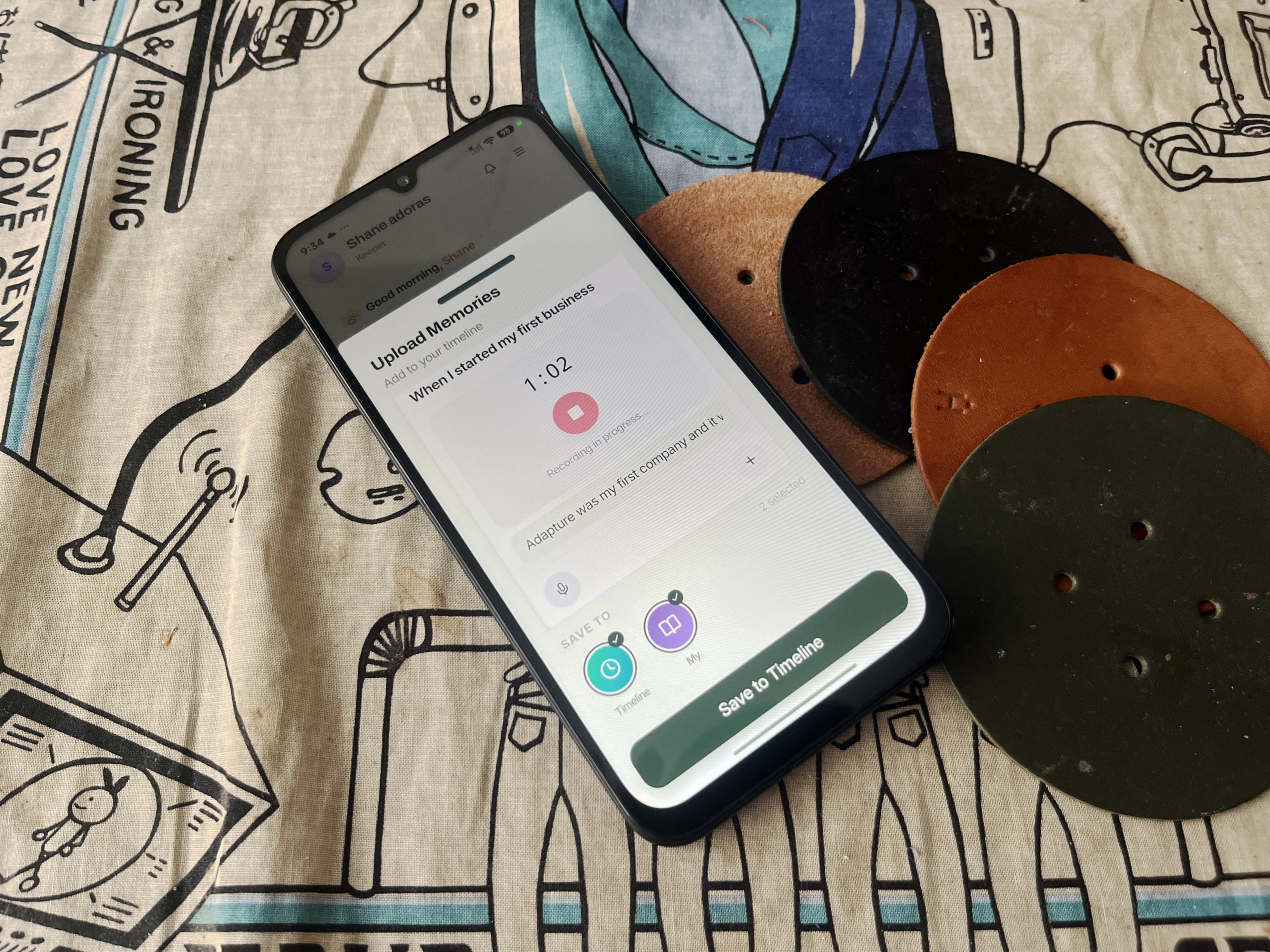
Instead of requiring a full interview setup, Adoras lets families capture stories in the flow of everyday life. A conversation at dinner. A phone call with a parent. A memory that comes up when looking at an old photo. The app helps turn those moments into something lasting.
Here’s how it works:
Record family stories when they happen
Adoras makes it easy to record voice notes and conversations in real time, so families do not have to wait for a “perfect” moment.
Organize stories by person, place, and theme
Once recorded, stories can be grouped so families can revisit them later without digging through scattered files.
Connect voice to photos and memories
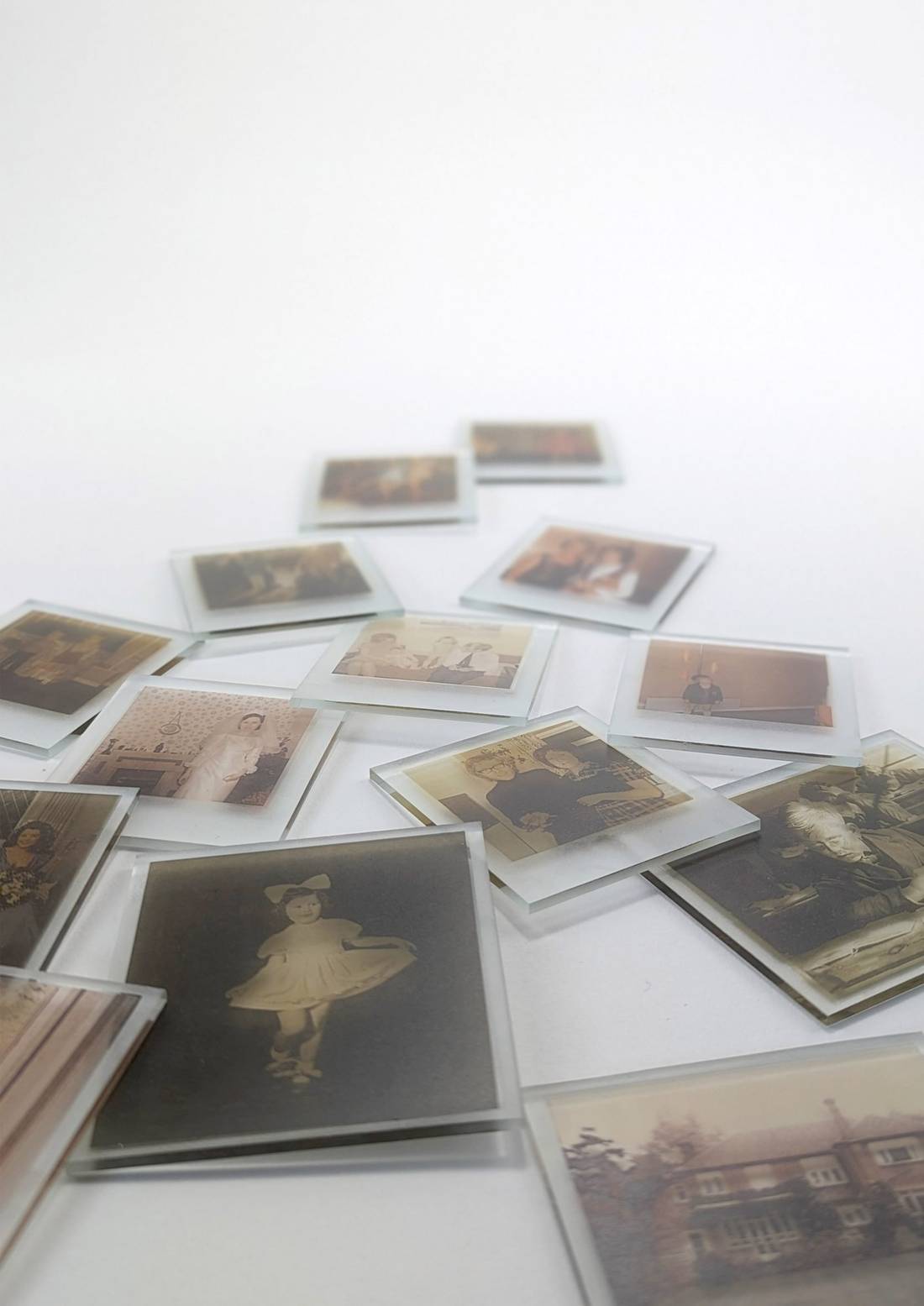
A story is more powerful when it is attached to a face, a date, or a moment. Adoras helps link those pieces together.
Let multiple family members add context
One person remembers the year. Another remembers the song that was playing. Someone else remembers what happened next. Adoras helps hold all of that together.
The Emotional Value of Hearing Someone Again
For many families, the biggest value of voice preservation is not organization. It is presence.
Years later, a child can hear a grandparent’s laugh again. An adult can hear their mother’s voice telling a story they had forgotten. A family member living abroad can listen to a familiar accent and feel close to home again.
That is what makes voice preservation so powerful. It does not just save information. It preserves relationship.
And for families who are separated by distance, age, language, or time, that matters more than most people realize.
Why This Becomes Urgent
Oral history is fragile because it depends on memory, access, and time.
The stories your family carries today may still be intact, but that does not mean they will stay that way forever. People forget details. Voices change. Health declines. Some stories never get told because no one asks the right question soon enough.
That is why voice preservation is not just a sentimental idea. It is a practical one. If families want to keep their history alive, they have to record it while they still can.
Start With One Question
You do not need a full plan to begin preserving voice history.
Start with one question:
What was your childhood neighborhood like?
What did you buy with your first paycheck?
What was the hardest decision you ever made?
What do you want me to remember about you?
One question can open a whole life.
And once that life is recorded in someone’s own voice, it can be heard again by the people who come after them.
Why It Matters
Most families lose a huge portion of their oral history within two generations because they rely on memory alone. Memory fades. Voices disappear. Stories shrink.
Adoras exists to help families stop that loss before it becomes permanent. By making it easy to record, organize, and revisit voice stories, Adoras helps preserve not just what happened, but the people who lived it.
Because family history is not only something to be read. It is something to be heard.
And once a voice is gone, you cannot ask it the same question twice.