Most family stories do not begin with a formal interview.
They begin in a chat. In a voice note. At dinner. On a phone call. In the middle of a conversation that was supposed to be about something else.
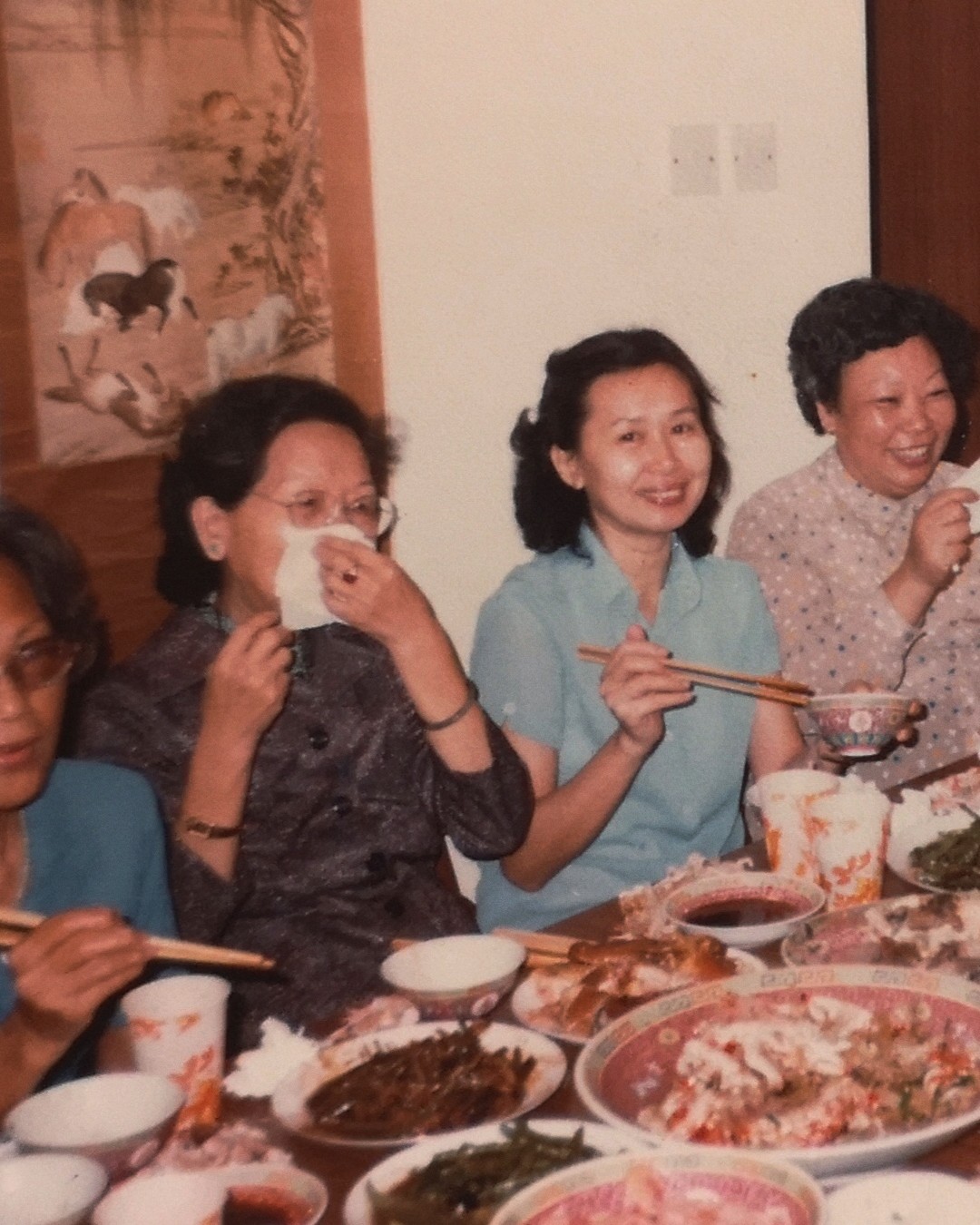
That is why ADORAS is built as more than a recorder. It is a chat-based memory platform that helps families capture stories as they happen, whether they are together in the same room or speaking across distance. The app then helps organize those memories by person, topic, and timeline so the conversation can continue later.
If you have ever wished you could preserve a parent’s stories, a grandparent’s voice, or the little details that make your family history feel alive, the best way to begin is simpler than most people think.
Why Starting Feels Hard
A lot of people delay preserving family stories because they think it requires the perfect setup.
They imagine a microphone, a formal interview, a quiet room, and a list of polished questions. That version sounds serious, but it also makes the whole thing feel heavier than it needs to be.
In real life, family stories usually show up in smaller moments. A photo gets shared. A memory comes up in chat. Someone sends a voice note. A question appears while you are already talking. The story is already there. The only thing missing is a way to keep it.
The Conversation Comes First
The most important part of family storytelling is not the recording. It is the conversation.
ADORAS is designed to help families stay in that conversation over time. You can chat with a parent or grandparent, ask a follow-up question, and come back to the same thread later. You can also record in person when you are sitting together, then use the app to save, transcribe, and organize what was shared.
That means the memory does not live in a scattered set of voice notes, text messages, or random photos. It lives in one place, connected to the people and moments it belongs to.
Step 1: Start with one person
You do not need to begin with the whole family.
Pick one person whose stories you want to keep. It might be your mom, your dad, your grandmother, your uncle, or even yourself. Starting with one person makes the conversation feel natural instead of overwhelming.
You are not trying to build a complete archive in one sitting. You are just opening a thread.
Step 2: Ask one real question
The best questions are simple and open.
Try one of these:
What was your neighborhood like when you were growing up?
What do you remember about your parents?
What was the first thing you bought with your own money?
What was the hardest decision you ever made?
What do you want me to remember about you?
These questions work because they invite memory instead of performance. They give the other person space to answer in their own way, in their own voice.
Step 3: Use chat, voice, or both
One of the most useful things about ADORAS is that families do not have to choose one format.
Some stories are easier to say out loud. Some are easier to type. Some begin in a text message and continue in a voice note. Some happen in person and get saved afterward. ADORAS is built for that kind of flexibility.
The goal is not to make families communicate in a perfect way. The goal is to make it easy for them to keep the conversation going.
Step 4: Let AI organize the memory
Once a story is captured, ADORAS helps make sense of it.
The app can help group memories by person, place, theme, and timeline, so the story is not buried inside a long thread or a pile of files. It can also help surface related moments later, making it easier to revisit conversations and connect details over time.
That matters because family history is rarely one clean story. It is a collection of small moments, repeated memories, different versions, and details that only make sense when they are seen together.
What Makes This Different
Most tools for family memory only focus on storage.
ADORAS is built for conversation.
That means the product is not just trying to save a voice memo or transcribe a photo caption. It is trying to support the full flow of how families actually share memory:
ask something.
answer it.
follow up.
add context.
come back later.
connect it to the rest of the family story.
That is what turns a single memory into something living.
What to Listen For
When families start recording or chatting more intentionally, the most meaningful details are often not the obvious ones.
It is the pause before the answer.
The small laugh before a difficult memory.
The language switch in the middle of a sentence.
The detail they almost skipped.
The story they did not think anyone would care about.
Those moments are why voice and chat matter. They carry more than information. They carry personality, emotion, and context.
Why This Matters
Family stories do not disappear all at once. They fade slowly.
One unanswered question becomes two. Then ten. Then a whole set of memories that no one ever got around to hearing properly.
This is especially true when families are separated by time, distance, language, or age. The stories are still there, but the window to hear them clearly is smaller than most people realize.
ADORAS exists to make that window easier to use.
Start Small
You do not need to do everything at once.
Start with one person. One question. One chat thread. One voice note. One in-person conversation that you save before it disappears into memory.
If you do that, you are already preserving something important.
And once that first conversation exists, the next one becomes easier.
Why ADORAS Exists
ADORAS was built because family stories are too valuable to be lost in scattered chats, forgotten calls, and conversations that never get revisited.
It gives families a way to ask questions, capture answers, and keep the story organized over time. Whether the conversation happens face to face or across distance, ADORAS helps turn it into something you can return to later.
Because the goal is not just to record what happened.
It is to keep the conversation alive.